Home Inspection Checklist for Vancouver Buyers
A home inspection is the best-value few hours in the subject period: a licensed inspector goes over the house from roof to foundation in half a day. But an inspection is not an X-ray — knowing what it covers, and what it can’t, is how you get full value from the report. This is the Vancouver buyer’s checklist.
Structure and shell: start with the big items
- Roof: remaining life of the roofing material, flashing and gutters — a re-roof starts in the five figures.
- Foundation and drainage: whether cracks are shrinkage or structural, and the state of the perimeter drains. In rainy Vancouver, a history of basement water is a mandatory question.
- Exterior and windows: water ingress, window seals, deck membranes. BC lived through the “leaky condo” era — on older condos, the envelope story continues in the strata documents.
Systems: the home’s organs
- Heating: the furnace or boiler’s age and service record — past 15–20 years, budget for replacement.
- Electrical: panel capacity (60- or 100-amp service in older homes is tight for modern loads), aluminum wiring and knob-and-tube — the latter two also affect insurability.
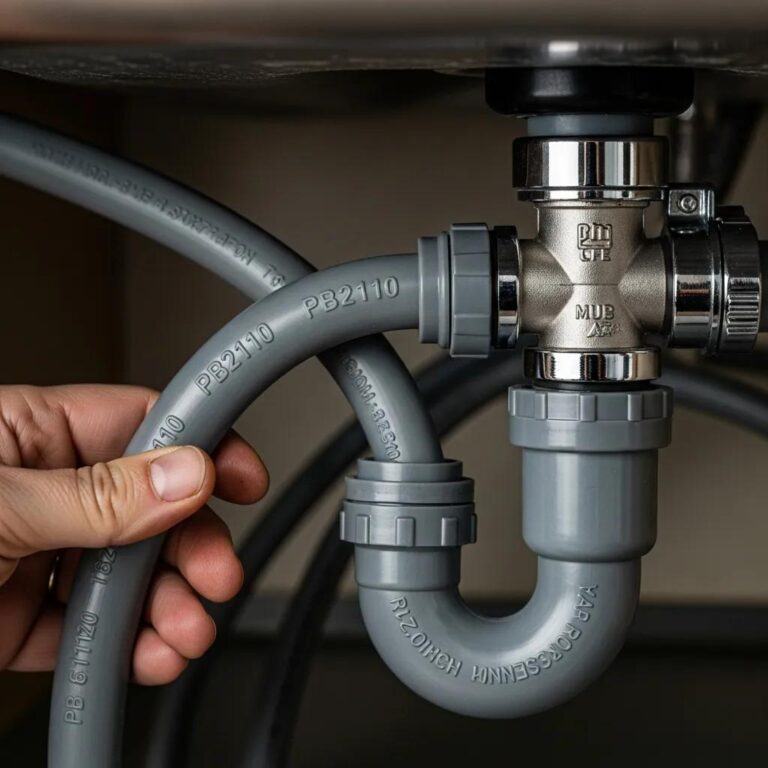
- Plumbing: the hot water tank’s age, and above all Poly-B pipe — installed widely from 1978 to 1998, it carries real leak risk. Identification and replacement costs are in our guide, Poly-B Piping in BC Homes. Galvanized pipe in older homes is likewise near end of life.
Hidden hazards: the expensive invisible
- Asbestos: in pre-1990 homes it can hide in drywall compound, textured ceilings, vinyl flooring and vermiculite attic insulation. An inspector flags suspect materials; only lab testing confirms. Renovation plans change completely once it’s found.
- Underground oil tanks: homes heated with oil in the 1950s–60s may have a buried tank; a metal-detector scan settles it. Removal and soil remediation can run to tens of thousands.
- Moisture and mould: attic ventilation, bathroom fans and crawl-space water stains are all on the inspector’s sniff list.

The limits — and how to use the report
- What’s out of scope: inspectors don’t open walls or move furniture; concealed systems are assessed by evidence, not certainty. An inspection is not a building-code compliance certificate.
- Cost: roughly $400–$550 for a condo and $550+ for a detached home, depending on size and age — against the purchase price, the subject period’s cheapest insurance.
- Using the findings: sort them into safety/structural items (negotiate repair or price), end-of-life items (budget them), and cosmetics (yours to fix). For how inspection fits into the offer, see Offer Subjects Explained.
I’m Jack Zhu, a REALTOR® with RE/MAX Select Properties, licensed for 14 years. In a subject period and want a solid inspector or a second read of a report? Call me at 604-889-1640.
This post is general information; rely on a licensed inspector’s report for any specific property.